Introduction to the New Hub
Don’t risk your case with unverified services. We’ll match you with a licensed immigration lawyer or accredited representative.
Find My Lawyer →Free case matching. No obligations. Only verified professionals.
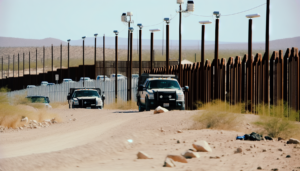
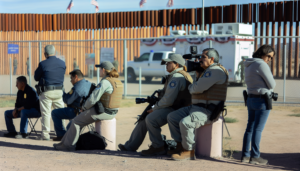
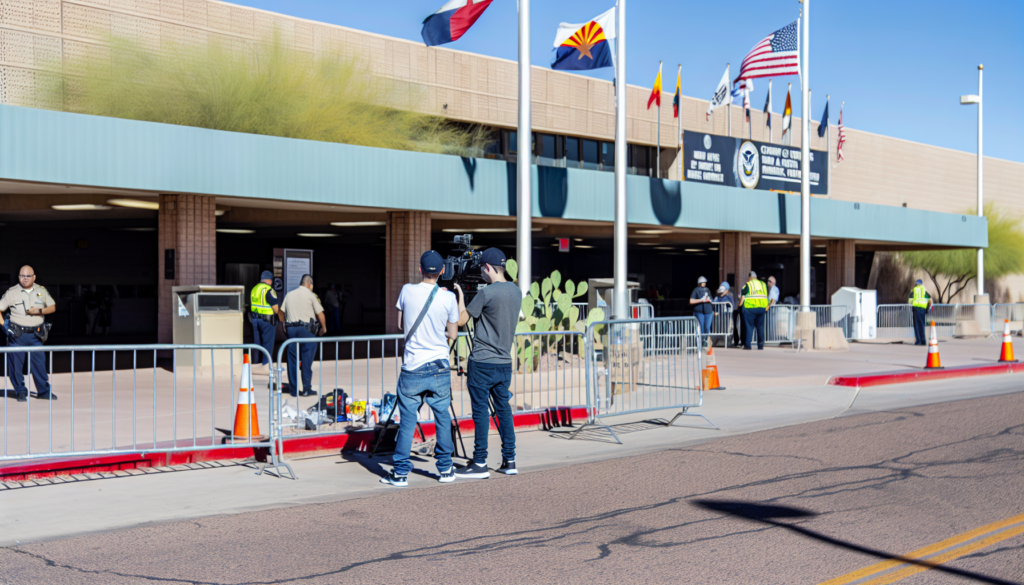
U.S. Customs and Border Protection (CBP) announced the opening of a new immigration enforcement hub in Phoenix, Arizona, describing the facility as part of a broader strategy to enhance border security operations. The agency says the hub is intended to centralize certain enforcement functions, improve coordination among operational units and increase the speed of information flow. Officials characterize the effort as an expansion of existing infrastructure designed to support agents and officers working in the region. The announcement frames the hub as a capability-building measure rather than a change to statutory authorities or immigration law.
Background on Border Security Policies
Existing U.S. border security measures include a mixture of personnel deployments, technology investments, and interagency coordination to detect and process entries and to interdict unlawful border crossings. Enforcement strategies in recent years have combined increased surveillance, patrol operations, detention and removal activities, and partnerships with state and local law enforcement where authorized. CBP presents the Phoenix hub as an extension of those measures, aimed at improving operational efficiency—streamlining communications, consolidating data access for field operations and supporting decision-making. The agency has not released a detailed operations manual for the hub, but frames it as a resource to better direct existing enforcement capabilities rather than a standalone program with new statutory powers.
Immigration Context
Two immigration concepts commonly referenced in enforcement discussions are "lawful presence" and "lawful status." Lawful presence refers to an individual’s authorized physical presence in the United States under immigration law or agency action—examples include admission on a valid visa, parole, or temporary authorization to remain. Lawful status refers to a defined immigration classification that confers ongoing authorization to remain in the country, such as lawful permanent resident status, certain nonimmigrant visas, or granted asylum; status generally includes rights and obligations established by immigration statutes and regulations.
The Phoenix hub’s stated role in enhancing enforcement operations may affect how officers identify and process individuals encountered at or near the border. CBP says the hub will support operational decision-making, but the agency has not specified changes to legal standards for determining lawful presence or lawful status. Determinations of lawful presence and lawful status remain governed by federal immigration law and are made by properly authorized officers and immigration adjudicators. The hub’s operational support functions are described as tools to improve information flow to field personnel; they do not, according to the announcement, alter the underlying legal criteria for presence or status.
Who is Affected by the New Hub
Operationally, the hub will change how border enforcement personnel receive and share information. CBP describes the facility as intended to streamline workflows for agents and officers in the Phoenix region, potentially changing internal procedures for case management, data access and inter-unit coordination. For frontline personnel, that could mean revised reporting lines, different electronic tools or consolidated guidance on handling encounters.
Individuals crossing the border may encounter a greater enforcement presence in areas supported by the new hub and could experience changes in processing times. CBP frames the hub as improving operational capacity, which can translate into increased patrols or more rapid case handling in some locations. The agency has not specified precise locations or operational tempos tied to the hub, so the exact effects on wait times or processing at specific crossing points remain unspecified.
Need help choosing an Immigration Lawyer?
We’ll connect you with a verified immigration lawyer who fits your case and location.
Start Free Case Review →Community Engagement and Official Guidance
CBP says it will provide updates on enforcement operations and intends to engage with local stakeholders to inform communities about the hub’s role. The agency’s announcement references plans for community engagement and public information efforts to explain what the hub does and how it fits into broader operations. Details on the frequency, format or content of those updates are not included in the initial release. Local residents, municipal officials and community organizations are expected to be among the audiences CBP mentions in outlining future outreach, but the agency has not published a calendar or materials that specify how those engagements will be conducted.
Misinformation Risks
Public discussion about the new hub has the potential to produce misconceptions about its scope and activities. One common misunderstanding to address is the assumption that the hub will enable constant, blanket monitoring of all border crossings or that it changes the legal rights of migrants or residents. The announcement frames the hub as an operational support center; it does not confer new legal authorities to monitor private property beyond existing legal frameworks or to bypass due process. Determinations about immigration status and enforcement actions continue to be governed by federal law and established procedures.
Because CBP has not provided a detailed public operations plan for the hub, some questions and rumors may fill information gaps. Officials emphasize that routine protections and adjudicative processes remain in place for individuals subject to immigration procedures. Legal experts note that due process requirements for immigration proceedings are set by statute and regulation; the operational support provided by a hub does not change those legal requirements.
Open Questions and Future Considerations
The agency has not specified several operational details that readers and stakeholders are likely to seek. Unanswered questions include which specific technologies will be housed at the hub, how staff assignments will be adjusted across districts, whether the hub will centralize particular case types, and how data-sharing protocols with other agencies will be structured. CBP’s initial announcement does not specify metrics the agency will use to evaluate the hub’s effectiveness or a public timeline for performance reviews.
Community relations and oversight are additional areas that will shape the hub’s impact. Local leaders and policy analysts will watch for how CBP conducts its outreach, how it coordinates with state and local jurisdictions, and how transparency around the hub’s activities is maintained. Analysts also note that any operational consolidation creates questions about accountability, record-keeping and the potential for changes in day-to-day interactions between enforcement personnel and the public; CBP has not detailed plans to address those governance questions in the initial release.
Conclusion
The opening of a new CBP immigration enforcement hub in Phoenix represents an operational expansion intended to support border security activities through centralized coordination and information sharing. The agency presents the facility as a tool to improve operational efficiency and decision-making without changing statutory immigration authorities. For residents, migrants and front-line personnel, the hub could mean a stronger enforcement presence in supported areas and altered internal procedures for agents. Several specific elements — including exact operational measures, technology deployments and outreach schedules — remain unspecified in the agency’s announcement. As CBP implements the hub, officials say they will provide updates and engage local stakeholders; observers and community members will be watching for those details and for measures of the hub’s effect on enforcement practices and community relations.

Sebastian Rodriguez — author
Find a Verified Immigration Lawyer Near You
Avoid scams. Get help from licensed professionals who understand your case.
Get Matched Now →Free case evaluation. We are not a law firm — we connect you with trusted, verified lawyers.