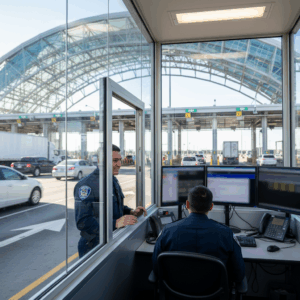
After reporters were ejected from a Maryland immigration court, the Justice Department clarified that most hearings remain open to the public and press.
Don’t risk your case with unverified services. We’ll match you with a licensed immigration lawyer or accredited representative.
Find My Lawyer →Free case matching. No obligations. Only verified professionals.
What Happened
Two reporters covering immigration cases in Hyattsville, Maryland, were told to leave a courtroom last week after officials claimed they didn’t have clearance. The Justice Department’s Executive Office for Immigration Review (EOIR) quickly reversed the decision, confirming that journalists have a right to attend most immigration hearings.
In an email sent to the media, EOIR stated: “Your reporters are welcome to return to the Hyattsville Immigration Court to observe hearings.” The clarification follows criticism from press-freedom advocates and immigrant-rights groups who said the removal violated transparency principles.
Why It Matters
Immigration courts handle thousands of cases each month that shape people’s lives — from asylum requests to deportation appeals. While some hearings are closed for privacy reasons, many are public by law. Media access helps hold the system accountable and gives the public insight into how policies are applied.
Advocates argue that limited transparency has long shielded problems in the immigration court system, such as long backlogs, inconsistent rulings, and limited legal representation for migrants. Allowing reporters to attend hearings helps shed light on those issues.
Need help choosing an Immigration Lawyer?
We’ll connect you with a verified immigration lawyer who fits your case and location.
Start Free Case Review →Transparency and Oversight
The incident highlights the delicate balance between privacy and transparency in immigration proceedings. Some judges close hearings if they involve minors or sensitive asylum cases. But advocates say local courts sometimes apply the rule too broadly, barring observers without legal justification.
Press-freedom organizations welcomed the DOJ’s quick correction. “Public access is key to accountability,” said a spokesperson for the Reporters Committee for Freedom of the Press. “Immigration courts must follow their own rules and allow the press to monitor cases of public interest.”
Background on Immigration Court Access
EOIR oversees nearly 70 immigration courts nationwide. While policies vary by location, general practice allows media attendance except when confidentiality is required. The ICE Oversight and EOIR transparency efforts have been frequent points of debate between administrations.
Over the years, reporters have documented instances of inconsistent access. Some courts require prior notice; others allow drop-in coverage. The reversal in Maryland may prompt EOIR to reissue national guidance to standardize procedures.
What’s Next
Journalists say they hope the DOJ’s clarification sets a clear precedent. Advocacy groups plan to track whether other courts follow the directive. Congress members from Maryland have asked the DOJ for details on training and oversight for court administrators.
The story also raises questions about how federal agencies communicate internal policy changes. Many observers point out that the removal of reporters may have resulted from confusion, not intent, but say it still signals the need for stronger transparency protocols.
Learn More
- More on transparency: ICE Oversight
- Background on immigration hearing rights: Know Your Rights
- Official DOJ/EOIR page: justice.gov/eoir
Find a Verified Immigration Lawyer Near You
Avoid scams. Get help from licensed professionals who understand your case.
Get Matched Now →Free case evaluation. We are not a law firm — we connect you with trusted, verified lawyers.