Estimated Reading Time: 3 minutes
Don’t risk your case with unverified services. We’ll match you with a licensed immigration lawyer or accredited representative.
Find My Lawyer →Free case matching. No obligations. Only verified professionals.
Key Takeaways
- CBP officers are vital in stopping individuals wanted for serious crimes at U.S. ports of entry.
- Recent apprehensions in Texas highlight the proactive role CBP plays in community safety.
- Technology, like the NCIC database, and teamwork with other law enforcement agencies are crucial to identifying wanted individuals.
- These arrests help protect vulnerable populations and ensure individuals face justice.
- Apprehended individuals are transferred to relevant authorities for legal proceedings.
Border officers stand as a vital line of defense, working tirelessly at U.S. ports of entry. Their continuous efforts play a crucial role in safeguarding communities across the country. By diligently screening individuals, they prevent those wanted for serious crimes from entering or re-entering the United States, thereby helping to keep our neighborhoods safer.
Border Security and Public Safety
A Vital Role in Protecting Communities
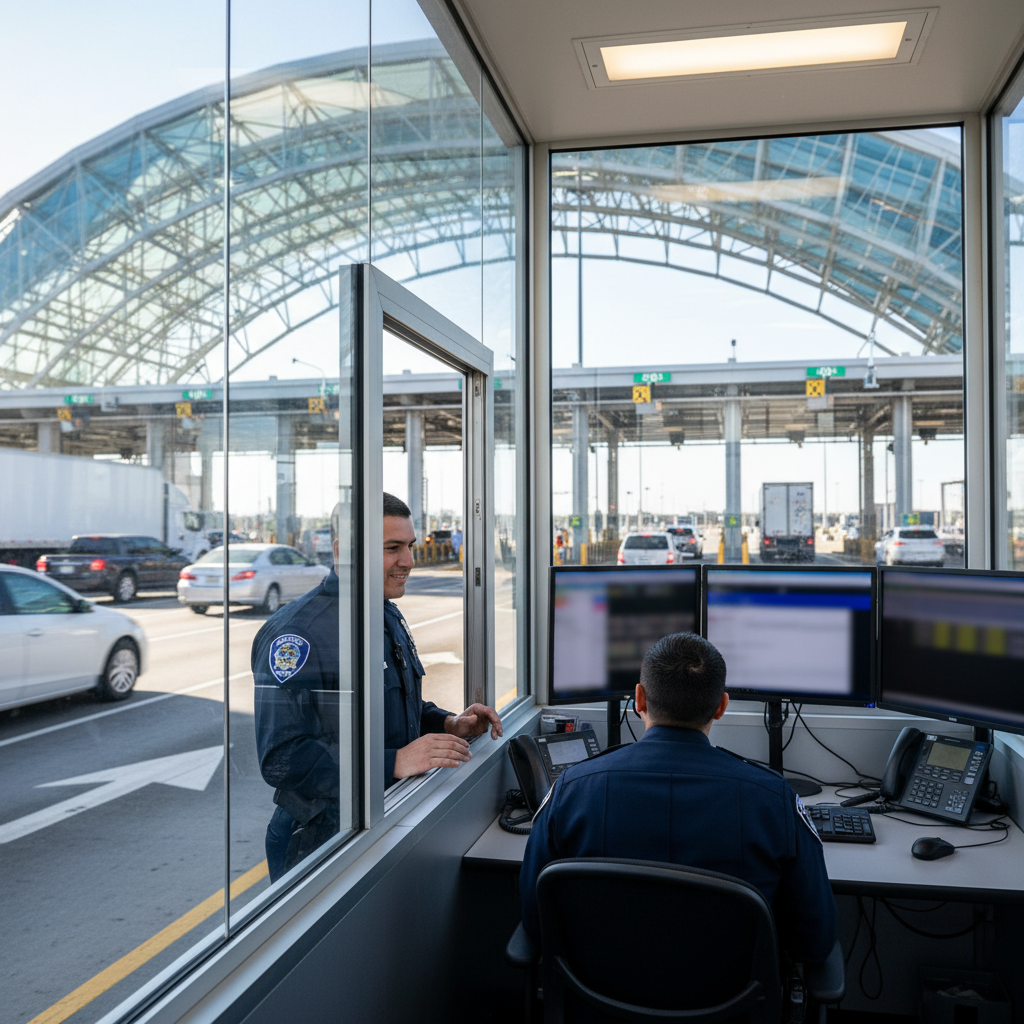
U.S. Customs and Border Protection (CBP) officers are always on duty at ports of entry, from bustling international bridges to smaller crossing points. Their work goes beyond just processing travelers and goods; a significant part of their job involves identifying and stopping individuals who are wanted by law enforcement. This continuous vigilance is essential for protecting communities from those who might pose a threat, ensuring that justice is served and preventing further harm.
Recent Apprehensions at Texas Border Crossings
CBP officers recently made two notable apprehensions at Texas ports of entry, demonstrating their commitment to public safety.
Laredo Port of Entry: Apprehension of Man Wanted in Illinois
At the Juarez-Lincoln International Bridge in Laredo, CBP officers apprehended a 76-year-old resident alien. During routine processing, officers discovered that the individual was wanted on a serious felony warrant from Illinois. The warrant was for aggravated criminal sexual abuse of a minor. CBP officers swiftly identified the man and took him into custody, preventing him from potentially evading justice.
Need help choosing an Immigration Lawyer?
We’ll connect you with a verified immigration lawyer who fits your case and location.
Start Free Case Review →Hidalgo Port of Entry: Apprehension of Man Wanted Locally
Similarly, at the Hidalgo International Bridge, CBP officers intercepted a 20-year-old U.S. citizen. This individual was also wanted, this time on a local felony warrant for sexual assault of a child. Following their standard procedures, CBP officers identified him and took him into custody, collaborating with local authorities to ensure he faced the charges against him.
How Border Officers Identify Wanted Individuals
Using Technology and Teamwork
CBP officers are equipped with a range of tools and work closely with other agencies to identify wanted individuals. During inspections, they use various databases and screening systems to check travelers against lists of outstanding warrants. A key tool in this process is the National Crime Information Center (NCIC), a comprehensive database maintained by the FBI that contains information on wanted persons, stolen property, and other law enforcement data. By using these technologies and working together with local, state, and other federal law enforcement agencies, officers can quickly and accurately spot individuals with active warrants, ensuring they don’t slip through the cracks. This collaborative approach is a cornerstone of effective border policy.
The Broader Impact on Community Safety
Protecting Children and Preventing Further Harm
These apprehensions highlight CBP’s critical role in protecting communities, especially vulnerable populations like children. By stopping individuals wanted for serious crimes, particularly those involving sexual abuse and assault, CBP helps prevent them from evading justice and potentially harming more victims. The agency’s mission is comprehensive, covering the enforcement of all U.S. laws, not just those related to immigration and trade. This includes bringing to justice individuals who have committed heinous crimes, thus contributing significantly to overall public safety.
What Happens After an Apprehension
Transfer to Authorities and Legal Process
Once an individual with an outstanding warrant is apprehended by CBP officers, they are typically handed over to the relevant law enforcement agencies. This could be local police departments, county sheriff’s offices, or federal agencies like the U.S. Marshals Service, depending on where the warrant originated. From there, the legal process begins in the jurisdiction where the warrant was issued, ensuring the individual faces the charges against them. This transfer is a crucial step in the chain of justice.
Ongoing Vigilance at the Border
CBP’s Commitment to Public Safety
Day in and day out, U.S. Customs and Border Protection officers perform a crucial service at U.S. ports of entry. Their unwavering vigilance and dedication are fundamental to preventing dangerous individuals from entering or re-entering American communities. These recent arrests at Texas border crossings serve as a powerful reminder of CBP’s ongoing commitment to public safety and its essential role in the nation’s security framework. To learn more about border operations and statistics, visit the CBP website. You can also explore FBI crime data for broader context on national crime trends. For more detailed information on border policies and enforcement, you can consult resources from the Department of Homeland Security.
What to Watch Next
As border security remains a top priority, the efforts of CBP officers will continue to be a key element in protecting communities. We can expect ongoing reports of individuals with outstanding warrants being apprehended at ports of entry as technology and inter-agency cooperation evolve.
Find a Verified Immigration Lawyer Near You
Avoid scams. Get help from licensed professionals who understand your case.
Get Matched Now →Free case evaluation. We are not a law firm — we connect you with trusted, verified lawyers.