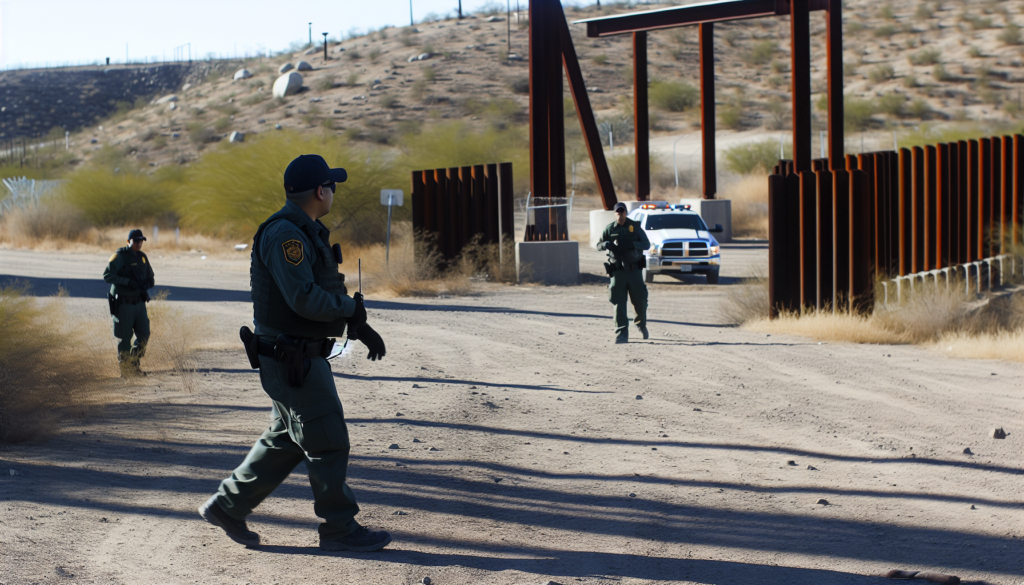
“The documentary sheds light on the previously hidden operations of Border Patrol.” That opening line from the HBO film frames a closer look at what the documentary describes as “shadow units” — enforcement teams that, according to the film, carried out operations outside of standard Border Patrol protocols. The film places those practices in the context of ongoing debates about how the United States manages its southern border and highlights the need to understand past enforcement to evaluate current policies.
Don’t risk your case with unverified services. We’ll match you with a licensed immigration lawyer or accredited representative.
Find My Lawyer →Free case matching. No obligations. Only verified professionals.
Introduction to Shadow Units
The HBO documentary focuses on units within Border Patrol that the film characterizes as operating in ways concealed from regular oversight. It examines how those operations were organized, and how they differed from the agency’s publicly described procedures. By documenting those activities, the film argues that understanding these practices is important for assessing current enforcement policies and for discussions about accountability and transparency along the border. The documentary includes interviews and archival material to trace how these units functioned and why they remained out of view of formal checks and balances.
Background on Shadow Units
The documentary defines shadow units as teams that carried out enforcement activities outside established protocols and formal reporting channels. According to the film’s account, these teams executed operations that were not always documented in the same manner as regular Border Patrol actions, placing them outside routine oversight mechanisms. The documentary situates these practices within a longer history of enforcement approaches along the US-Mexico border, arguing that operations outside standard oversight have recurring implications for civil rights and accountability. Viewers hear from former agents and advocates who describe how limited transparency can complicate external review and civil remedies.
Who is Affected?
The documentary centers the experiences of communities along the US-Mexico border and the individuals who encountered the operations described as shadow units. It presents firsthand accounts from residents and former personnel about the direct effects of secretive enforcement on daily life, mobility and interactions with agents. The film contrasts those experiences with people who live outside enforcement areas or who have not encountered Border Patrol operations, underlining that impacts are geographically and situationally concentrated. Those on the border report heightened attention from enforcement activity, while communities farther from enforcement zones report different exposure and interactions with immigration authorities.
Implications for Immigration Policy
Need help choosing an Immigration Lawyer?
We’ll connect you with a verified immigration lawyer who fits your case and location.
Start Free Case Review →The film’s revelations lead to questions about how enforcement practices intersect with concepts of lawful presence and lawful status. In plain language, lawful presence refers to a person’s legal authorization to remain in the United States temporarily or permanently; lawful status typically refers to the formal immigration classification a person holds, such as a visa category, lawful permanent residency, or another recognized status. The documentary outlines how enforcement practices that operate outside formal protocols can complicate determinations tied to lawful presence and status — for example, by affecting who is detained, how encounters are documented, or how evidence is collected and used in immigration proceedings.
The film suggests that the revelations could prompt policy discussions about reforms to strengthen oversight, reporting and civil-rights protections tied to enforcement operations. It presents perspectives from former Border Patrol agents and civil rights advocates who say these issues raise larger questions about institutional transparency and the relationship between enforcement tactics and immigration law. The agency’s official statements and any specific policy responses to the documentary’s claims are not fully detailed in the film, and the agency has not specified all operational details that viewers might expect to see clarified.
Addressing Misinformation
The documentary also engages with common misconceptions about Border Patrol and its operations. One misconception is that all Border Patrol activity is covert; the film clarifies that regular Border Patrol operations follow established protocols and reporting structures, while the term “shadow units” in the documentary refers specifically to activities the filmmakers and interviewees describe as lacking transparency. “Not all Border Patrol operations are secretive; however, shadow units operated with a lack of transparency,” the film emphasizes.
Another source of confusion concerns the scope of these operations. The documentary distinguishes between documented official practices and the activities portrayed as falling outside those procedures. It avoids conflating routine, documented enforcement with the practices it identifies as shadow operations. Where the film highlights contentious or unclear actions, it often does so through first-person accounts and archival footage rather than official internal records, leaving some operational questions unresolved in the public record.
Conclusion and Future Outlook
The HBO documentary compiles accounts and materials that portray a pattern of enforcement activity running outside standard protocols and limited oversight. It underscores the potential legal and civil-rights implications of such practices and frames those concerns within ongoing debates over how immigration enforcement is carried out at the southern border. The film includes voices from former Border Patrol agents and civil rights advocates who say the revelations raise urgent questions for policymakers, oversight bodies and the public.
The documentary’s findings invite scrutiny of enforcement structures and highlight the role of transparency in public trust. Whether they lead to concrete reforms depends in part on agency responses, oversight investigations and policy deliberations that extend beyond the film. As the country continues to debate border enforcement, the film’s central point — that secrecy and limited oversight create accountability challenges — remains a focal issue for those tracking immigration policy. “The revelations from the documentary could lead to significant changes in how Border Patrol operates,” the film suggests, leaving open the question of what specific steps will follow and how public institutions will address the concerns the documentary raises.

Jeffrey Stein — author
Find a Verified Immigration Lawyer Near You
Avoid scams. Get help from licensed professionals who understand your case.
Get Matched Now →Free case evaluation. We are not a law firm — we connect you with trusted, verified lawyers.