Introduction to the Current Situation
1. Introduction to the Current Situation
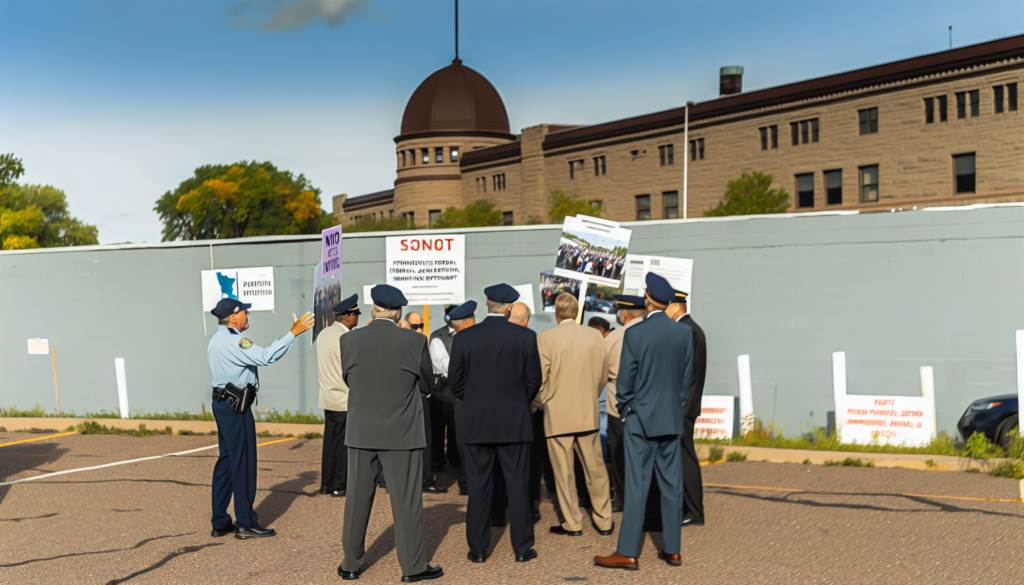
Recent violent incidents involving Immigration and Customs Enforcement agents in Minnesota have prompted an immediate moral debate among public officials. Federal authorities and state leaders have publicly disputed the appropriate scope and methods of immigration enforcement, with several officials framing their positions in moral terms. The clashes center on whether enforcement tactics align with public safety and community values, and whether the federal government’s operational decisions respect the rights and security of local residents. The incidents have elevated questions about proportionality, oversight and the responsibilities of different levels of government.
Don’t risk your case with unverified services. We’ll match you with a licensed immigration lawyer or accredited representative.
Find My Lawyer →Free case matching. No obligations. Only verified professionals.
Background on Immigration Enforcement Policies
2. Background on Immigration Enforcement Policies
Immigration enforcement in Minnesota is carried out under federal authority, with ICE responsible for civil immigration detention and removal operations. State and local cooperation with federal immigration activity varies across jurisdictions, and policy choices at the state level influence how enforcement is implemented on the ground. Advocates and some community leaders criticize current enforcement approaches for harming community trust and complicating public safety efforts, arguing that aggressive tactics can deter cooperation with local law enforcement and social services. Officials have acknowledged tensions between federal priorities and local concerns, without a single, uniform state policy determining all interactions with ICE.
Political Implications of Recent Shootings
3. Political Implications of Recent Shootings
The shootings have increased scrutiny of ICE operations and brought immigration enforcement into sharper political focus in Minnesota. Political leaders are using the incidents to argue for policy adjustments, while opponents cite them as evidence that current practices require reform or greater oversight. The public reaction has contributed to a broader discourse about the balance between enforcement and community relations, and political analysts note that heightened attention could shape legislative agendas, administrative reviews, or oversight hearings. How elected officials respond may influence voter perceptions and policy proposals in upcoming legislative cycles.
Need help choosing an Immigration Lawyer?
We’ll connect you with a verified immigration lawyer who fits your case and location.
Start Free Case Review →Who is Affected by Immigration Enforcement?
4. Who is Affected by Immigration Enforcement?
Communities most directly affected by ICE operations include immigrant neighborhoods, households with mixed immigration status, and workers in industries where immigration enforcement has been active. Residents of these communities report disruptions to family life, employment and access to services when enforcement actions occur locally. By contrast, individuals and communities outside Minnesota—or in jurisdictions with different cooperation levels—do not experience the same patterns of enforcement or local controversy. The geographic and social distribution of enforcement activity means impacts are uneven, concentrating consequences in specific neighborhoods and social networks.
Immigration Context
5. Immigration Context
Immigration enforcement operates within a set of administrative and legal categories. Enforcement actions by ICE primarily involve civil immigration processes, which are distinct from criminal proceedings conducted by law enforcement for violations of criminal law. The terms "lawful presence" and "lawful status" refer to different concepts: lawful status generally means an immigrant holds an immigration classification authorized by federal law (such as a visa or permanent residency), while lawful presence can describe whether someone is legally permitted to remain in the United States at a given time. These distinctions affect access to certain benefits, relief processes and procedural rights during enforcement or removal proceedings. The federal agency’s processes and legal standards determine individual outcomes, and the agency has not uniformly specified all operational changes in response to recent incidents.
Addressing Misinformation Risks
6. Addressing Misinformation Risks
Several common misconceptions surround immigration enforcement. One is that all immigration enforcement is criminal in nature; in fact, many actions by ICE involve civil immigration proceedings. Another misconception is that officials’ public statements always represent final policy changes; statements by elected or appointed officials sometimes reflect positions rather than binding, detailed operational directives. Public records, court filings and agency guidance are the primary sources for verifying enforcement practices. Clarifying the distinction between statements of intent and official operational rules helps reduce confusion and prevents the spread of inaccurate claims about what actions authorities are legally required to take.
Conclusion and Future Considerations
7. Conclusion and Future Considerations
The moral debate between federal and state officials following the violent incidents involving ICE agents highlights competing priorities: enforcement of federal immigration laws and concerns about community safety and trust. The dispute is likely to prompt further oversight, political debate and requests for clarification about operational practices. Open questions remain about whether policy or procedural changes will follow and how community feedback will factor into any reforms. As officials at both levels continue to respond, Minnesota’s experience may inform broader discussions about the limits and oversight of immigration enforcement in other jurisdictions.

Carlos Rodriguez Lopez — administrator
Find a Verified Immigration Lawyer Near You
Avoid scams. Get help from licensed professionals who understand your case.
Get Matched Now →Free case evaluation. We are not a law firm — we connect you with trusted, verified lawyers.