Overview of the Lawsuit
Overview of the Lawsuit
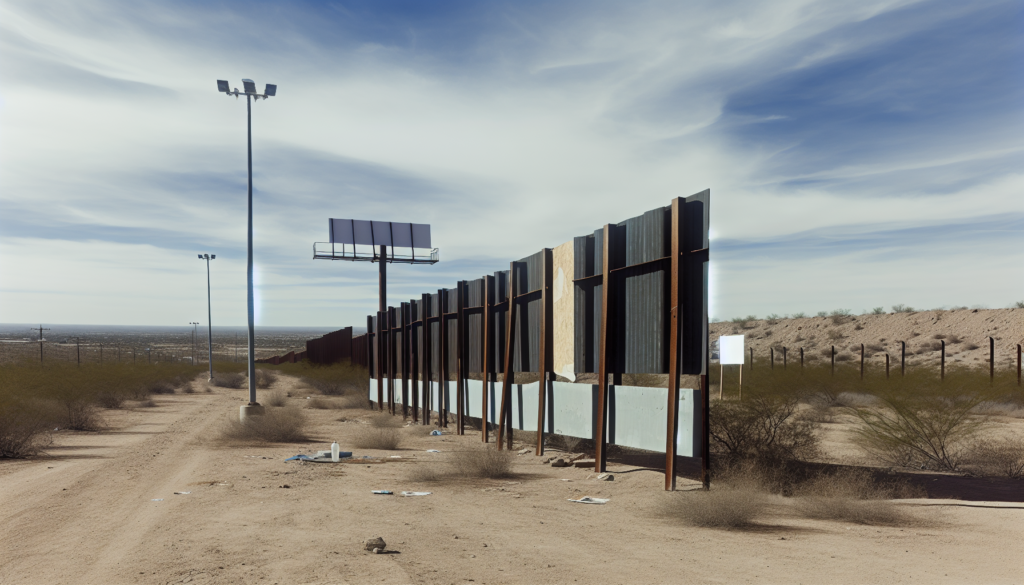
San Diego has filed a lawsuit seeking to stop a proposed U.S.-Mexico border fence project, citing the project's effects on local communities and the environment. The city’s legal filing challenges the federal effort to expand or modify fencing along the border corridor adjacent to San Diego, arguing that the project would cause harm to neighborhoods, public spaces and sensitive habitats. City officials say the action reflects their responsibility to protect residents and local resources while federal planning proceeds. The lawsuit requests judicial relief to pause work and require additional review before construction can move forward.
Don’t risk your case with unverified services. We’ll match you with a licensed immigration lawyer or accredited representative.
Find My Lawyer →Free case matching. No obligations. Only verified professionals.
Background on the Border Fence Project
Background on the Border Fence Project
The proposed fence project is part of a broader federal push to expand border infrastructure intended to reduce unlawful crossings and improve control of the international boundary. Previous rounds of fence construction along the U.S.-Mexico line have varied in design, scope and location, and have prompted legal and administrative disputes over land access, environmental compliance and engineering standards. Courts and local governments have previously litigated components of past projects, resulting in altered plans, additional environmental studies or temporary halts. The San Diego filing follows that pattern by seeking to place legal constraints on federal action in this jurisdiction.
Legal Grounds for the Lawsuit
Legal Grounds for the Lawsuit
In its complaint, the city frames its arguments around the environmental and community impacts it says the project would produce, asserting that federal agencies have not adequately addressed those effects before approving construction. The lawsuit alleges deficiencies in procedural review and seeks remedies that could include injunctive relief to stop work pending fuller analysis. If a court finds merit in the city’s claims, the ruling could require additional environmental study, modification of project plans, or temporary suspension of construction activities. The litigation also could influence how future border projects are planned and reviewed in jurisdictions asserting local impacts.
Community and Environmental Concerns
Community and Environmental Concerns
San Diego cites potential harm to coastal and inland ecosystems, public access areas, and neighborhoods near the border as central concerns. The city and allied environmental groups point to risks for native wildlife, interference with migration corridors, and damage to sensitive habitats, in addition to disruption of community access to parks and cultural sites. Residents and advocates opposing the project describe worries about noise, visual impacts and reduced public space near the border. City officials and environmental advocates say those considerations were not adequately accounted for in federal approvals and should be reexamined before construction proceeds.
Need help choosing an Immigration Lawyer?
We’ll connect you with a verified immigration lawyer who fits your case and location.
Start Free Case Review →Immigration Context
Immigration Context
Border infrastructure is one component of broader immigration and border-enforcement policy; physical barriers, surveillance technology and personnel deployments are each used to influence crossings and enforcement outcomes. Infrastructure does not, by itself, determine immigration status or the legal rights of people who cross the border. In immigration law terms, "lawful status" generally refers to an immigration classification that authorizes a person to live in the United States — for example, permanent residency or a valid nonimmigrant visa. "Lawful presence" refers to being physically present in the country with authorization, which can be temporary or conditional — such as parole or other limited authorizations — and does not necessarily confer a long-term immigration status. Enforcement and infrastructure measures operate separately from the legal determinations that govern a person’s status or eligibility for benefits.
Myth vs Fact
Myth vs Fact
Common misconceptions about border fencing include the belief that a physical barrier alone can eliminate unauthorized crossings or that a single project uniformly affects migration flows across an entire border region. In fact, the effectiveness of fencing depends on terrain, enforcement capacity, technology, and changes in migration patterns; barriers may redirect crossings rather than stop them outright. Another recurring misunderstanding is that infrastructure decisions substitute for required environmental review; federal projects are subject to legal standards that can require study and mitigation of environmental and community impacts. The lawsuit emphasizes that those procedural and factual assessments matter to local outcomes.
Conclusion and Next Steps
Conclusion and Next Steps
The lawsuit marks a formal legal challenge intended to halt or reshape the proposed fence project pending further review. San Diego seeks court action that could delay construction, require supplemental analysis, or prompt revisions to project plans. The federal government has not specified a timeline for responding in court; the outcome will depend on judicial findings about the adequacy of federal review and the nature of the asserted local harms. For BorderWire readers, the litigation underscores how local governments can use legal channels to contest federal border initiatives and how those challenges can affect the pace and scope of infrastructure projects along the U.S.-Mexico line.

Sebastian Rodriguez — author
Find a Verified Immigration Lawyer Near You
Avoid scams. Get help from licensed professionals who understand your case.
Get Matched Now →Free case evaluation. We are not a law firm — we connect you with trusted, verified lawyers.