Overview of the Operation
Overview of the Operation
Don’t risk your case with unverified services. We’ll match you with a licensed immigration lawyer or accredited representative.
Find My Lawyer →Free case matching. No obligations. Only verified professionals.
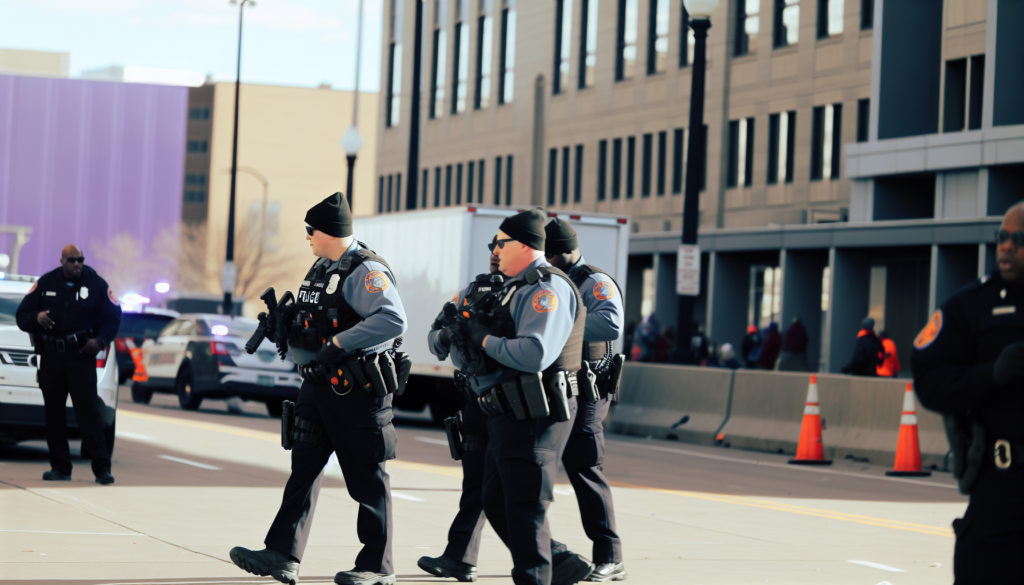
DHS Secretary Kristi Noem participated in an Immigration and Customs Enforcement operation in Minneapolis on January 6, 2026. The enforcement action targeted individuals whom officials describe as having serious criminal records, including murder and sexual offenses. Federal agents carried out arrests as part of the operation, which DHS presents as an effort to remove noncitizens who pose public safety risks. Secretary Noem framed the activity as part of a broader enforcement approach, stating, "This operation is part of a broader strategy to enhance public safety through immigration enforcement." The presence of the DHS secretary signaled the department’s emphasis on public-safety messaging as the operation proceeded in the city.
Context of the Operation
Context of the Operation
The operation took place in Minneapolis, Minnesota, a city with diverse immigrant communities. Local demographics include a range of immigrant populations who live and work across the metropolitan area, and the city has in recent years been the focus of national debate over policing and public safety. Federal officials describe the enforcement action as a response to public safety concerns related to individuals in the country without lawful status who have been accused or convicted of serious crimes. Law enforcement agencies coordinated the removal action with the stated objective of addressing those concerns within the Minneapolis community.
Who is Affected
The operation targets individuals identified by federal authorities as having significant criminal histories. According to DHS materials accompanying the operation, those targeted include people connected to offenses described by officials as serious, including murder and sexual offenses. Families of the arrested individuals may experience immediate disruption, uncertainty and concern about legal outcomes and next steps; local service providers and advocacy groups commonly report increased demand for legal help and social services following enforcement actions of this scale. The scope of impact on families will vary depending on individual circumstances, including immigration status and local connections.
Who is Affected
Who is Not Affected
U.S. citizens and lawful permanent residents who are not the subject of immigration enforcement actions are not directly affected by arrests carried out in the operation. Law-abiding immigrants who have lawful status or are otherwise not involved with the targeted individuals are not the stated focus of the enforcement action; however, increased enforcement activity can have broader community effects. Some community members who are lawful immigrants may nonetheless experience heightened concern or altered interactions with law enforcement and public institutions as a consequence of an intensified enforcement presence.
Need help choosing an Immigration Lawyer?
We’ll connect you with a verified immigration lawyer who fits your case and location.
Start Free Case Review →Immigration Context
Who is Not Affected
Understanding the operation requires a distinction between lawful presence and lawful status. Lawful presence describes the condition of being legally permitted to be in the United States for a period of time; it can apply to people lawfully admitted on a visa, admitted as refugees, granted temporary protected status, or otherwise authorized to remain for a specific time. Lawful status refers to the legal recognition of a person’s immigration category or authorization — for example, being a lawful permanent resident or holding a nonimmigrant visa. Lawful presence does not automatically confer long-term lawful status, and lawful status is the formal immigration classification recognized by federal immigration authorities. These distinctions matter for understanding who is subject to federal removal processes and how different immigration histories intersect with criminal and administrative cases.
Misinformation Risks
There is a risk that readers will interpret a targeted enforcement operation as evidence that all immigrants are criminals. The factual framing provided by DHS and ICE for this operation identifies specific people with criminal records as the focus, not immigrant communities broadly. Another misinformation risk is the suggestion that the action is solely politically motivated; while some narratives may frame the operation as political, DHS presents it as a public-safety measure. Readers should note that targeted operations by enforcement agencies are described by authorities as focused on individuals meeting certain criteria; they do not, on their face, establish a general characterization of immigrant populations.
Immigration Context
Open Questions and Community Reactions
Key open questions include which specific charges or convictions apply to each individual arrested and how many people were removed or placed into removal proceedings; federal agencies have not provided a full public accounting of all charges for every person detained in the operation. Another outstanding issue is how the operation will affect community relations with law enforcement and immigrant communities in Minneapolis over time. Community leaders, advocacy groups and local officials are likely to assess the operation’s local impacts and to issue statements; at the time of reporting, comprehensive statements from community organizations and a detailed list of specific charges from ICE had not been publicly released.
Conclusion
Misinformation Risks
The enforcement operation in Minneapolis underscores an ongoing federal emphasis on removing noncitizens described by officials as posing public-safety risks. Secretary Noem’s participation signals DHS’s prioritization of such operations in public messaging. The immediate effect is the detention and potential removal of individuals identified by authorities as having serious criminal records; the longer-term implications for trust between immigrant communities and law enforcement, demand for legal services, and the public conversation about immigration enforcement in Minneapolis remain to be seen as agencies and community groups respond. BorderWire will continue to track official disclosures and community responses as more information becomes available.

Jeffrey Stein — author
Find a Verified Immigration Lawyer Near You
Avoid scams. Get help from licensed professionals who understand your case.
Get Matched Now →Free case evaluation. We are not a law firm — we connect you with trusted, verified lawyers.