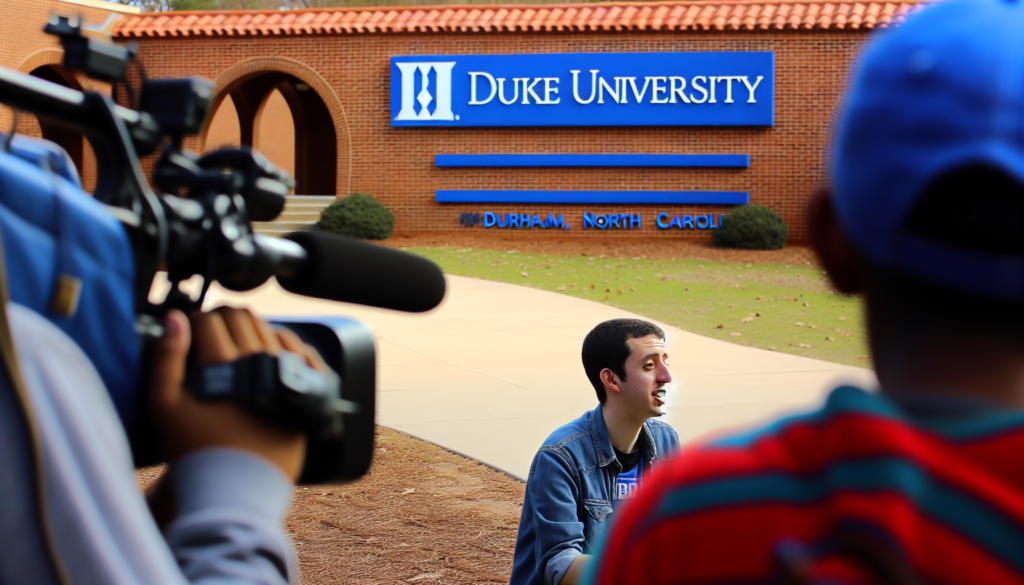
Duke University Faces Immigration Policy Changes: A Year in Review
1. Introduction to Immigration Policy Changes
Immigration policy developments at the federal level this year are reshaping conditions for students, employees and residents connected to Duke University and the broader Durham community. Local university administrators, campus services and community organizations describe a year in which national rulemaking, administrative direction and enforcement priorities intersect with campus life and neighborhood concerns. Understanding those local effects is important because national policy decisions often translate into changes in enrollment patterns, service needs and public engagement at the city level. This report maps how shifts in immigration policy over the past year are experienced on and around Duke’s campus and why close attention to those local consequences matters to residents, university leaders and policymakers.
Don’t risk your case with unverified services. We’ll match you with a licensed immigration lawyer or accredited representative.
Find My Lawyer →Free case matching. No obligations. Only verified professionals.
2. Background on Immigration Policies
Throughout the year federal immigration actions included a range of administrative adjustments and policy guidance from national agencies. These changes vary in scope — from guidance that affects how agencies implement existing laws to regulatory updates that alter eligibility or procedural requirements for different categories of noncitizens. Such national decisions typically affect institutions by changing which students and staff can travel, enroll, or maintain employment authorization, and by shifting the administrative burden for universities that support affected community members. Local institutions like Duke must translate federal guidance into campus practice, coordinate with legal and international student services, and communicate changes to impacted populations and campus stakeholders.
3. Who is Affected by These Changes?
Those most directly affected include international students, scholars and researchers at Duke; faculty or staff on employment-based visas; and Durham residents who are noncitizens or who have family members with changing immigration statuses. The range of impacts depends on an individual’s immigration classification and administrative circumstances. By contrast, members of the Duke community who are U.S. citizens or permanent residents generally experience indirect effects — such as shifts in campus demographics or service demand — rather than direct legal or administrative consequences. Community members outside Duke who are not engaged with immigration matters typically face fewer immediate changes, though citywide services and local organizations may see altered demand because of policy shifts.
4. Real-World Impacts on the Community
On campus and in surrounding neighborhoods, the year’s policy shifts have translated into observable changes in enrollment dynamics and community engagement. International student application patterns, visa processing timelines and decisions about whether to accept offers of admission can shift in response to federal policy signals; those changes affect classroom composition and the availability of research assistants and collaborators. Local community organizations and campus groups report increased outreach and events focused on immigration issues, reflecting greater demand for information and support. Service providers, advising offices and student groups are adjusting programming to respond to questions about travel, documentation and administrative processes without making legal determinations.
5. Official Guidance and Resources
University administrators have emphasized the importance of staying current with official guidance and using designated campus resources when navigating immigration-related questions. Duke’s international student and scholar services, human resources and campus legal counsel typically provide updates and referral information to affected students, faculty and staff. Local community groups and legal aid organizations also offer resources and clinics intended for residents seeking assistance. Where federal guidance changes, university offices commonly issue notices explaining practical steps for students and employees, list relevant campus resources and direct individuals to accredited legal service providers for case-specific questions.
Need help choosing an Immigration Lawyer?
We’ll connect you with a verified immigration lawyer who fits your case and location.
Start Free Case Review →6. Misinformation Risks Surrounding Immigration Policies
Misconceptions about the scope and timing of federal policy changes represent a significant risk in campus and community discussions. Common misunderstandings include overstating who is affected and assuming that every administrative update applies universally to all noncitizens. In plain terms: different policies apply to different categories of people — for example, visa holders, asylum seekers and holders of temporary protective statuses are subject to distinct rules. Not all students or staff experience the same effects. Accurate interpretation requires attention to the specific program or status involved. Information shared by unofficial sources can conflate separate policies; readers should consult official university communications or accredited legal advisors for status-specific questions rather than relying on generalized social-media accounts or secondhand summaries.
7. Open Questions and Future Considerations
Several questions remain about which specific federal actions will have the largest, sustained impact on the Duke and Durham communities. Available materials do not identify a single policy as the dominant driver of local change; rather, the cumulative effect of multiple administrative adjustments and guidance documents is shaping outcomes. Moving forward, community leaders and university administrators will monitor enrollment patterns, visa processing practices and any further federal guidance that affects eligibility or procedures. How the university and local organizations adapt — through advising, outreach and administrative processes — will influence how disruptions are managed and what additional support mechanisms prove necessary.
8. Conclusion
Over the past year, federal immigration policy shifts have had measurable implications for Duke University and the Durham community through changes in administrative requirements, service needs and community engagement. Understanding those local impacts remains important for university officials, campus services and residents who interact with affected students, faculty and staff. Continued attention to official guidance, accurate information-sharing and coordination between campus offices and local organizations will shape how the university and community respond to ongoing policy developments. The situation remains dynamic, and tracking further federal action will be central to assessing future effects on the Duke and Durham communities.

Sebastian Rodriguez — author
Find a Verified Immigration Lawyer Near You
Avoid scams. Get help from licensed professionals who understand your case.
Get Matched Now →Free case evaluation. We are not a law firm — we connect you with trusted, verified lawyers.