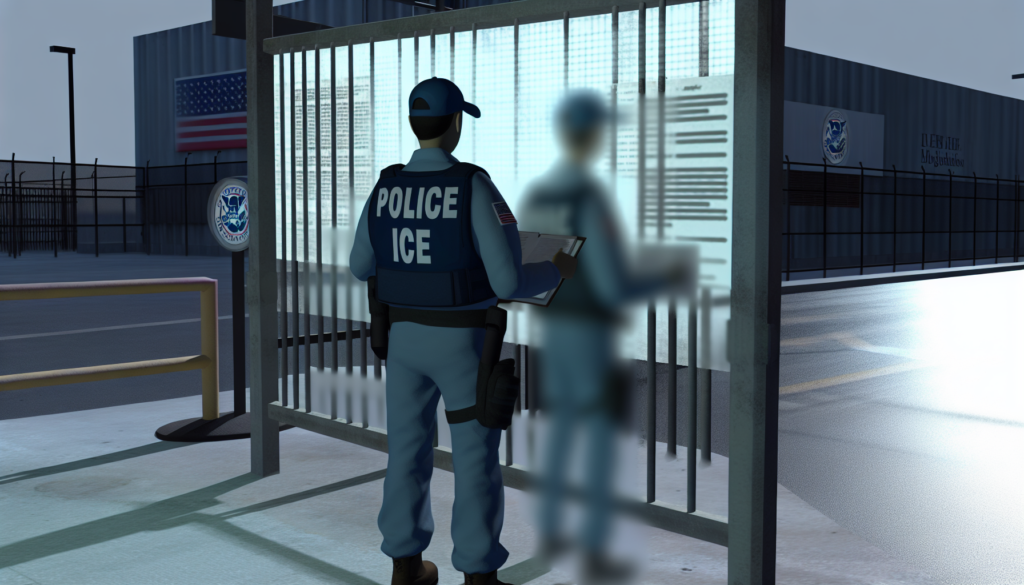
1. Overview of Fatalities in ICE Custody
Don’t risk your case with unverified services. We’ll match you with a licensed immigration lawyer or accredited representative.
Find My Lawyer →Free case matching. No obligations. Only verified professionals.
2025 recorded the highest number of deaths in U.S. Immigration and Customs Enforcement (ICE) custody in decades, a statistic that has drawn attention from immigration advocates, legal experts and lawmakers. The surge in fatalities has intensified public scrutiny of detention practices and sparked renewed debate about the oversight of facilities where noncitizens are held. "The statistics reveal a troubling trend in ICE operations," an immigration advocate said, reflecting the concern voiced across advocacy organizations. For BorderWire readers, the pattern of increased deaths matters because it intersects with questions of government accountability, detainee health and the broader administration of immigration enforcement.
2. Context of ICE Custody
ICE is the federal agency responsible for enforcing immigration laws within the United States, including detention and removal operations. Its custody system comprises agency-run facilities, contract detention centers, and state or local jails that house individuals detained for immigration-related reasons. Deaths in custody are not new to the agency’s history; previous years have recorded fatalities that prompted investigations and legal actions. Compared with those past years, 2025 stands out for the scale of fatalities reported, a comparison that has driven calls for a fuller accounting of conditions and procedures across the detention network. "Historically, ICE has faced scrutiny over its treatment of detainees," said a legal expert, noting that oversight and legal challenges have periodically followed fatal incidents.
3. Factors Contributing to Increased Fatalities
Several factors identified by advocates, legal filings and facility reports offer context for why fatalities may have increased. Conditions in detention facilities—ranging from access to medical care and screening practices to staffing levels and facility infrastructure—affect detainees’ health outcomes. Advocates and some facility reports point to delays in medical assessment, inconsistent monitoring of chronic conditions, and limited access to specialty care as potential contributors to deteriorating health among people in custody. "Conditions in many facilities have been criticized for being inadequate," a rights group representative said, summarizing recurring critiques.
Systemic issues also emerge in administrative processes that determine placement, transfer and release, which can affect the timeliness of medical attention. In some cases, coordination between ICE, contracted health providers and outside medical centers determines whether detainees receive emergency or routine care quickly enough. Reporting on facility incidents and legal complaints filed in recent months cite gaps in record-keeping, variability in medical staffing and reliance on telemedicine without consistent in-person follow-up as areas of concern. Those circumstances, taken together, outline mechanisms through which health crises can escalate to fatal outcomes.
4. Human Impact of ICE Custody Deaths
The deaths in custody carry direct consequences for families and communities. Relatives of those who died describe loss, ongoing efforts to obtain information and the prolonged legal and administrative processes that follow a death in detention. Family members and advocates report difficulties securing timely records, arranging for repatriation or burial, and obtaining clear explanations of medical cause from authorities. These procedural challenges amplify the personal toll for bereaved families navigating multiple agencies and jurisdictions.
Need help choosing an Immigration Lawyer?
We’ll connect you with a verified immigration lawyer who fits your case and location.
Start Free Case Review →Community organizations and legal advocates also confront the emotional and logistical impacts: providing support to affected families, pursuing administrative reviews or litigation, and documenting patterns for oversight bodies. "Each death represents a family torn apart by a broken system," an advocate for detainee families said, framing the losses as both individual tragedies and components of broader systemic failure. The cumulative effect of multiple deaths in a single year has heightened demands from communities and advocates for transparent information and remedial steps.
5. Immigration Context
ICE enforces federal immigration laws within the United States, which includes arresting, detaining and removing noncitizens who are subject to immigration proceedings. Being in ICE custody does not in itself determine a person’s lawful presence or legal status; custody is an administrative measure tied to enforcement actions. Detainees may include people with pending asylum claims, those ordered removed, individuals with criminal convictions and others subject to immigration detention.
Custody affects a range of rights and processes: access to counsel, the ability to pursue immigration relief, medical care provisions, and conditions of confinement. Legal protections applicable to noncitizens vary by immigration status and court decisions; understanding those distinctions is crucial for assessing how custody intersects with rights and remedies. "Understanding the legal framework is crucial for grasping the implications of these deaths," a legal analyst said, underscoring the need for clarity about what detention entails for different populations.
6. Myth vs. Fact: Understanding ICE Custody
Myth: All detainees in ICE custody receive uniform treatment and medical care. Fact: Care and conditions vary across facilities and contracts. The population in ICE custody is diverse, and oversight, staffing and health services differ by facility type and operator. "Many believe that all detainees are treated equally, but this is far from the truth," a rights observer noted.
Myth: Deaths in custody are isolated incidents with no broader pattern. Fact: While each case has unique circumstances, patterns identified by legal filings, facility reports and advocacy documentation indicate recurring issues—such as delays in medical care, inconsistent screening and resource constraints—that can contribute to multiple fatalities. Public reporting and reviews have highlighted these recurring issues without suggesting uniform causes in every case.
7. Conclusion and Future Implications
The concentration of deaths in ICE custody in 2025 marks a pivotal moment for how detention operations are reviewed and administered. The trend underscores the intersection of medical care, facility conditions and administrative processes that govern detention. For policymakers, advocates and the public, the fatalities sharpen focus on oversight mechanisms, transparency of reporting and consistency in medical and custodial standards. "We must address these issues to prevent future tragedies," an advocate said, reflecting calls for systemic responses. Moving forward, agencies, oversight bodies and external monitors will face pressure to produce comprehensive explanations, identify corrective actions and document steps taken to reduce the risk of further fatalities.

Carlos Rodriguez Lopez — administrator
Find a Verified Immigration Lawyer Near You
Avoid scams. Get help from licensed professionals who understand your case.
Get Matched Now →Free case evaluation. We are not a law firm — we connect you with trusted, verified lawyers.