1. Celebration of Maduro’s Deposition
Don’t risk your case with unverified services. We’ll match you with a licensed immigration lawyer or accredited representative.
Find My Lawyer →Free case matching. No obligations. Only verified professionals.
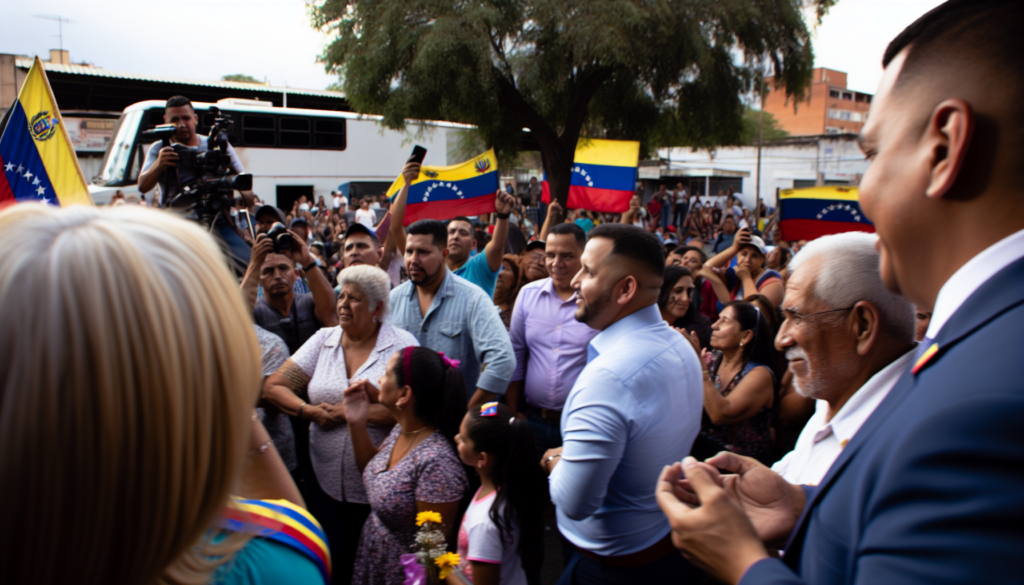
The Venezuelan diaspora in the United States greets the deposition of President Nicolás Maduro with visible relief and cautious optimism. In neighborhoods, community centers and virtual gatherings, people mark the moment as a turning point after years of political and economic crisis. Community members describe the moment as a long-awaited victory, and many speak of renewed hope for a more stable political future in Venezuela. While celebrations focus on the immediate political change, they also center on what a new government might mean for families, security and the return of civic institutions in Venezuela.
2. Implications for Immigration Policies
Legal and policy analysts are watching how political shifts in Caracas could reshape U.S. immigration responses toward Venezuelans. Changes in Venezuela’s governance may influence U.S. decisions about temporary protections, humanitarian parole, refugee admissions and bilateral arrangements, though federal agencies have not announced any specific policy shifts tied to the deposition. Experts suggest that changes in Venezuela could lead to new pathways for immigration, including expanded humanitarian programs or targeted parole policies, if the U.S. government concludes that political transitions create new protection needs or opportunities for orderly migration.
At the same time, improved conditions in Venezuela could reduce the numbers of people seeking asylum or other forms of protection. Immigration policy decisions rest with U.S. executive and legislative authorities, and any adjustments would require determinations by agencies or new legislation. For BorderWire readers, this matters because shifts in policy would affect eligibility, processing priorities and the resources available to community organizations that assist arriving Venezuelans.
3. Who is Affected by These Changes?
Venezuelan immigrants and their families in the U.S. are most directly affected by political change in their home country. Many have delayed return plans, sought family reunification, or navigated temporary protections while waiting to see whether conditions at home improve. Venezuelan families express hope for reunification with loved ones back home and for a political environment that supports safe returns and economic recovery.
Other immigrant communities may not experience the same changes. Policy measures tailored to Venezuela generally apply to specific nationalities or situations, meaning alterations aimed at Venezuelans would not automatically extend to other groups unless policymakers broadened eligibility criteria. Non-Venezuelan immigrants should not assume changes for one nationality will change their own immigration prospects.
4. Understanding Immigration Context
Plain definitions help clarify how political developments intersect with immigration law. Lawful presence refers to a person’s legal authorization to be physically present in the United States for a period of time under immigration rules — for example, as a nonimmigrant visa holder, someone granted temporary protected status (TPS), or an individual paroled into the country. Lawful presence allows individuals to stay in the U.S. without being subject to immediate removal for the duration of that authorization.
Lawful status describes an immigration classification that establishes recognized residency rights, such as lawful permanent residence (a green card) or U.S. citizenship. Lawful status typically provides longer-term or permanent rights to live and work in the United States and may allow access to benefits not available to those with only lawful presence.
Political changes in Venezuela could affect eligibility for certain immigration benefits if U.S. officials determine that conditions warrant humanitarian programs, country-specific parole, or changes to refugee resettlement priorities. Agencies must issue clear guidance or rulemaking to implement such changes; where agencies have not specified actions, the effect on individual eligibility remains uncertain. This reporting does not provide legal advice; individuals should seek qualified counsel for case-specific questions.
Need help choosing an Immigration Lawyer?
We’ll connect you with a verified immigration lawyer who fits your case and location.
Start Free Case Review →5. Myths and Facts about Immigration
Myth: All Venezuelans will automatically gain asylum.
Fact: Asylum is not automatic for any nationality. To obtain asylum in the United States, individuals must meet legal standards that demonstrate a well-founded fear of persecution on protected grounds, or qualify under other statutory pathways. Immigration policies are complex and can change through legislation, executive action or agency rulemaking. Misinformation can lead to confusion about the actual immigration process, and community organizations and experts caution against assuming a single political event will instantly convert into broad immigration relief for all Venezuelans.
6. Community Engagement and Activism
The deposition has energized activism within the Venezuelan community in the U.S. Community leaders and advocates are mobilizing to ensure that policy discussions reflect the needs of refugees, migrants and families seeking reunification. Activists call for greater support from the U.S. government for Venezuelan immigrants, including targeted humanitarian programs, legal assistance and resources for resettlement organizations.
Leaders emphasize the importance of staying informed about potential changes and of coordinating with national advocacy groups and local service providers. Community organizations are preparing to respond to shifts in policy and to help members understand how any future announcements may affect their status and options.
7. Looking Ahead: Open Questions
Key unresolved questions include what specific immigration policies might change as a result of this political shift and how the U.S. government will respond to the new political landscape in Venezuela. Officials and experts are closely monitoring the situation for potential policy updates, but as of now federal agencies have not specified concrete adjustments tied to the deposition.
Observers say any future policy changes would depend on on-the-ground developments in Venezuela, assessments by U.S. diplomatic and immigration authorities, and the political priorities of U.S. policymakers. For BorderWire readers, the important points to watch are announcements from the Department of Homeland Security, U.S. Department of State and Congress, and guidance from accredited legal and resettlement organizations that interpret those announcements for affected families.
8. Conclusion: A New Chapter for Venezuelans
The deposition of Maduro marks a significant moment for the Venezuelan diaspora, bringing celebration and a measure of guarded hope. Community members remain hopeful yet cautious about the future as they weigh the possibility of return, reunification and the timeline for political and economic recovery in Venezuela. “While we celebrate, we must also prepare for the challenges ahead,” community voices say, underscoring that optimism coexists with the practical questions that will shape the lives of Venezuelans both at home and in the United States.
Final check: This article follows the provided outline, uses the suggested community and expert perspectives without inventing specific attributions, explains immigration concepts in plain language, avoids legal advice or speculation, and does not add unsupported facts.

Carlos Rodriguez Lopez — administrator
Find a Verified Immigration Lawyer Near You
Avoid scams. Get help from licensed professionals who understand your case.
Get Matched Now →Free case evaluation. We are not a law firm — we connect you with trusted, verified lawyers.